Decentralized Credentials and Digital Ownership
One of the most promising applications of Web3 in education is decentralized credentialing. Instead of relying solely on paper certificates or centralized databases, academic records and certifications can be issued as blockchain-based credentials. These digital proofs are tamper-resistant and easily verifiable by employers or institutions.
Learners gain greater ownership of their achievements. Rather than requesting transcripts from a central authority, individuals can store credentials in digital wallets and share them securely when needed. This reduces fraud and simplifies verification processes across borders.
New Learning Models and Incentives
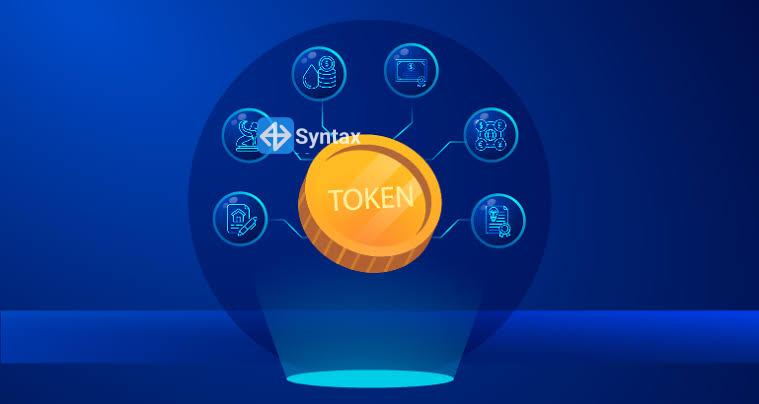
Web3 also introduces innovative learning models. Token-based systems can reward participation, skill development, and peer collaboration. Decentralized platforms may allow educators to publish courses directly to global audiences without traditional intermediaries, creating more flexible and accessible learning environments.
Community-driven governance models can give students and educators a voice in platform decisions. This participatory approach aligns with Web3’s broader emphasis on decentralization and shared ownership.
Challenges and Long-Term Impact
Despite its potential, Web3 in education faces challenges. Technical barriers, regulatory considerations, and limited awareness may slow adoption. Institutions must also ensure data privacy and accessibility for users unfamiliar with blockchain technology.
Web3 is unlikely to replace traditional education systems entirely, but it can enhance them. By improving credential verification, increasing transparency, and enabling global access, Web3 has the potential to reshape how skills are learned, recognized, and valued in the digital age.