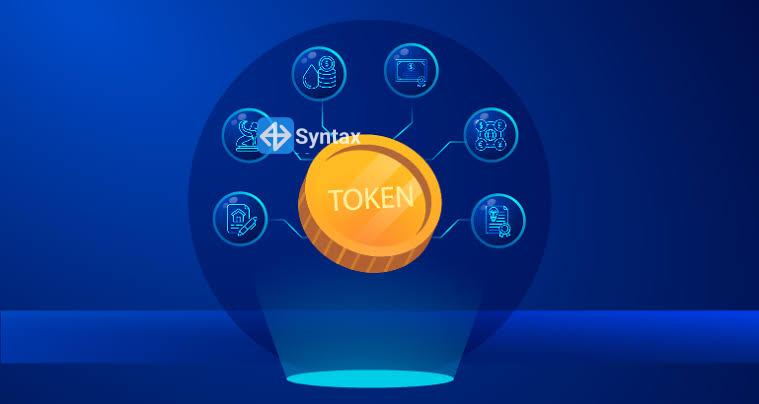
These organizations are governed by code, and members use governance tokens to vote on proposals, manage funds, and guide the project's future.
What Is a Decentralized Autonomous Organization?
A DAO is a decentralized autonomous organization, a type of bottom-up entity structure with no central authority. Members of a DAO own DAO-issued tokens and can vote on initiatives for the entity. Smart contracts are implemented for the DAO, and the code governing many DAOs' operations is open-source or publicly auditable.
What Is a DAO and How Does It Work?
A DAO is an organization of people that uses blockchain technology to improve traditional top-down management structures. Instead of relying on a single individual or a small collection of individuals to guide the entity's direction, a DAO intends to give every member a voice, vote, and opportunity to propose initiatives.
Are Decentralized Atonomous Organizations Legal?
DAOs are legal in most jurisdictions. However, their actions must be carefully evaluated to ensure compliance with existing regulations in the geographies in which they operate.
- Decentralized governance: Instead of a traditional hierarchy, a DAO distributes decision-making power among its members, who typically hold governance tokens.
- Smart contracts: The rules and operations of the DAO are coded into smart contracts on a blockchain, which automatically execute decisions that are approved by the community.
- Transparent operations: All actions and transactions within the DAO are recorded on the blockchain, making them transparent and auditable by anyone.
- Community-driven: Members can propose changes and vote on the project's direction, which can include managing liquidity pools, upgrading the protocol, or distributing rewards.
- Examples: DAOs are used in DeFi to govern various protocols, such as decentralized exchanges like Uniswap, which allows token holders to vote on protocol changes.
The Bottom Line
Decentralized autonomous organizations are entities using blockchains and tokens to democratize governance to those with voting rights. Members of DAOs decide the direction of the organization and govern how it is run. The intent behind DAOs is to remove centralized control and give decision-making abilities to all users rather than leaving it up to a centralized group or person.