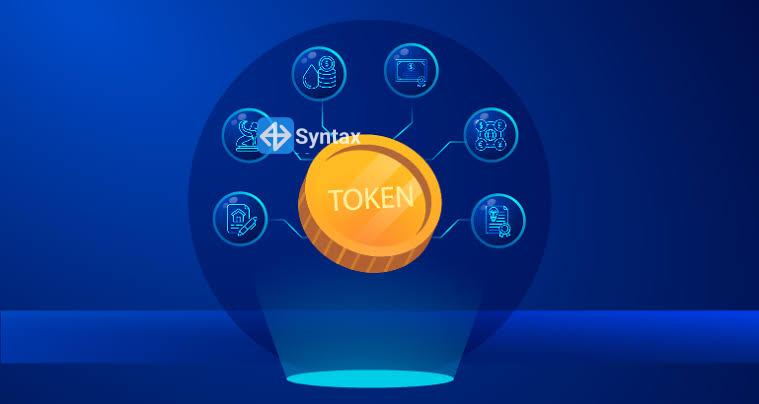
ERC-721 is a non-fungible token (NFT) standard for the Ethereum blockchain that defines a common interface for creating unique, individual tokens
Unlike fungible tokens (e.g.), ERC-20), where each token is identical, ERC-721 tokens are distinct, allowing them to represent unique digital assets like art, collectibles, or in-game items. This standard ensures compatibility across different wallets, marketplaces, and decentralized applications (dApps).
How it works
- Uniqueness: Each ERC-721 token has a unique ID, making it one-of-a-kind and enabling it to have its own value and metadata.
- Ownership: The standard includes functions to track ownership of each token, such as ownerOf(tokenId) which returns the address of the token's current owner.
- Transfers: It defines functions like transferFrom() and safeTransferFrom() to enable the transfer of ownership between addresses.
- Approvals: The standard allows a token owner to approve another address to transfer a specific token on their behalf, or to approve an operator to manage all of their tokens.
- Metadata: An optional metadata extension allows for associated data, such as the name, symbol, and a unique URI for the token's metadata to be linked to it.
Key characteristics
- Non-fungible: Each token is unique and cannot be exchanged on a 1:1 basis.
- Provable scarcity: It allows for the creation of unique or scarce digital assets on the blockchain.
- Interoperability: Tokens are compatible with a wide range of Ethereum-based wallets and platforms.
- Transparency: Ownership and transaction history are recorded immutably on the blockchain.
- Programmability: Smart contracts enable advanced features like creator royalties.