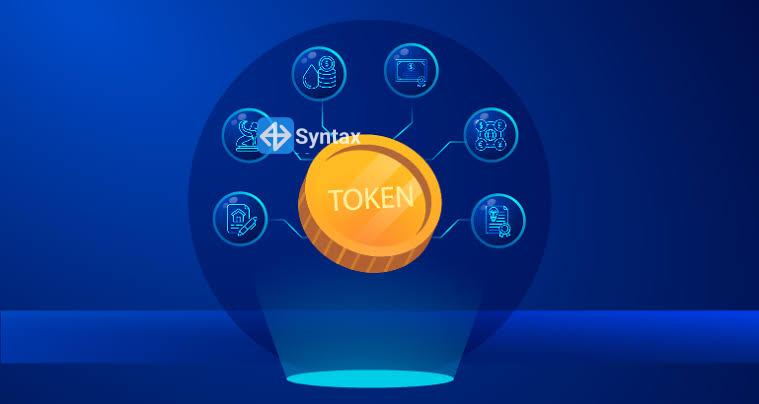
NFT minting is the process of publishing a digital file onto a blockchain to create a unique, non-fungible token (NFT)
This process registers the digital asset, making it a verifiable and tradable item with a permanent record of ownership and authenticity. It involves using a smart contract to create the token, assigning it unique metadata, and storing its information on the blockchain.
How it works
- Token creation: A digital file (like art, music, or video) is converted into a unique digital token on a blockchain, such as Ethereum.
- Smart contract: The creation is facilitated by a smart contract, which is a piece of code that defines the NFT's properties and manages its transferability.
- Metadata: The minting process includes assigning metadata to the NFT, which can include the creator's name, a description of the work, and other relevant details.
- Blockchain record: Once minted, the NFT's details, including ownership, are permanently recorded on the blockchain, providing proof of authenticity and provenance.
- Cryptocurrency payment: A fee, known as a "gas fee," is paid in cryptocurrency to complete the transaction on the blockchain.
Key takeaways
- Uniqueness: Minting creates a unique and non-fungible token that cannot be duplicated or interchanged with another token.
- Ownership: It establishes a verified and permanent record of ownership for the digital asset.
- Tradability: The minted NFT can then be bought, sold, and traded on NFT marketplaces.
- Creator royalties: Creators can use NFTs to earn royalties from future sales of their digital work.